PRIMERA TEMÁTICA (INGLES )
INGLES
HAVE TO: Tener que ( obligación) - consecuencias
ESPAÑOL:
es un verbo semi - modal ya que los verbos modales tienen unas particularidades que son que no cambien en ninguna forma .
INGLES:
it is semi -modal verb since the other modal verbs have to some particularities that they do not change in any way and the verb have to has some changes
PRESENT: Have to - has to Auxiliares: do - does
HAVE TO HAS TO(+) DO DOES
I YOU WE THEY HE SHE IT I WE YOU THEY HE SHE IT
___________________________________________________________________________________
PAST: Had to Auxiliar did
HAD TO DID (-)(?)(+)
I YOU HE SHE IT WE THEY I YOU HE SHE IT WE THEY
___________________________________________________________________________________
FUTURE : Have to Auxiliar will
HAVE TO WILL
I YOU HE SHE IT WE THEY I YOU HE SHE IT WE THEY
___________________________________________________________________________________
SHOULD:
SHOULD: Debería
REGLA: Pron + should + verb + compl
SHOULD IS modal verb that in spanish means ``DEBERÍA`` and is usually used to be able to advise , comment , and recommend. it can also be used to express and obligation and even expectation or forecast and like all modal verbs if structure is every simple in a positive, negative and interrogative.
___________________________________________________________________________________
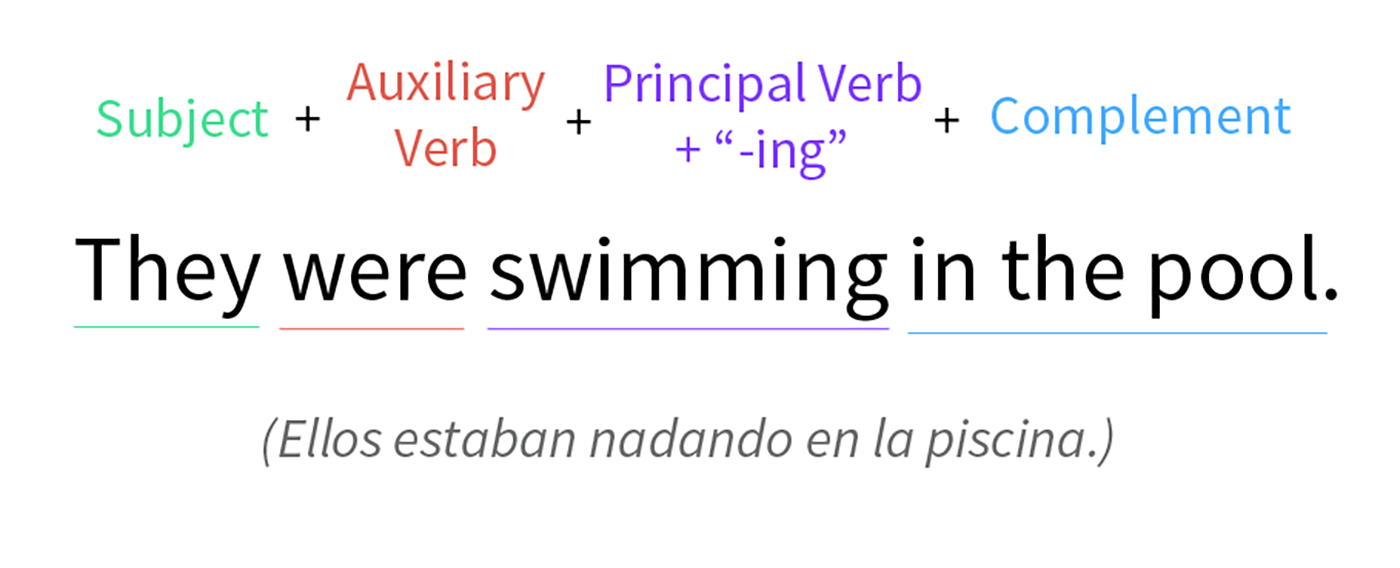
PAST PROGRESIVE :
Past Progressive is a form of the verb that shows that the action was in progress at a given time or in a given period in the past. Por ejemplo: Yesterday at 7 o'clock Judi was washing the dishes. (Ayer a las 7 horas Judi estaba lavando los platos.)
 |


Comentarios
Publicar un comentario